

Quotation request
Send us the details of your print job and we will prepare a quote that matches the format, quantity, finish and delivery you need. This page explains what to include, how we cost a job, and what happens after you submit your request.
What Is Included In A Quotation Request
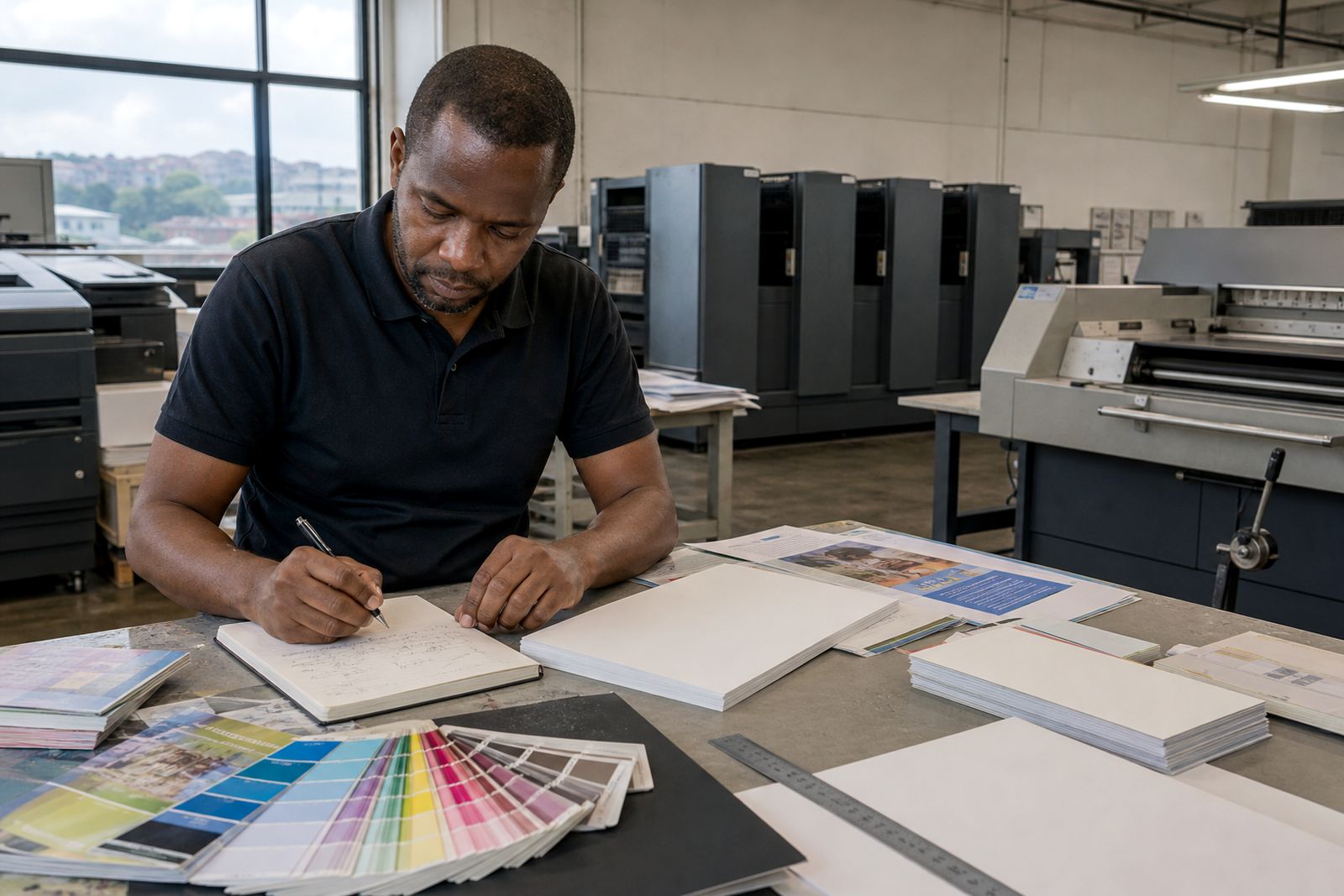
A quotation request is the starting point for accurate commercial print pricing. Instead of guessing from a short message, we work from the actual job requirements so that paper choice, printing method, finishing and delivery can be matched properly. This helps business buyers, agencies and publishers compare options before committing to print.
Our quotation service covers sheetfed litho printing for medium runs, short run digital printing for smaller quantities, and finishing options for completed work. If your project needs more than one item, such as a brochure plus inserts or a report with dividers, include all parts in one request so the estimate reflects the full job.
- Magazines, brochures and annual reports
- Corporate print such as folders, forms, stationery and presentation material
- Short run flyers, postcards and leaflets
- Bindery and finishing, including folding, stitching, trimming and cover options
- Guidance on proofs, supplied files and production timing
What To Send With Your Brief
The more complete the brief, the more useful the quote will be. If you already have artwork, final files are helpful, but they are not always required for first pricing. A clear written brief is often enough to get started. If anything is missing, our team will come back to you through the website contact route before the quote is finalised.
Please state the finished size, page count and quantity clearly. If the job has a cover that differs from the text pages, note that separately. For KwaZulu-Natal buyers working to launch dates, event dates or shareholder circulation dates, include the required delivery window as early as possible.
- Finished size in millimetres, for example A4, A5 or custom trim size
- Quantity required, or more than one quantity for comparison
- Number of pages, plus whether the cover is separate
- Colour requirements such as full colour, black only or mixed sections
- Paper preference if known, including text and cover stock
- Binding and finishing needed
- Delivery suburb or town in Durban or elsewhere in KwaZulu-Natal
- Target date for proofs and target date for completed print
How The Quote Process Works
Once you submit the request, the brief is checked for completeness and print suitability. We look at format, run length, file readiness and finishing requirements to decide whether litho or digital will make better sense. If a job sits close to the crossover point between the two methods, we may quote both so you can compare turnaround and unit cost.
After the brief is reviewed, we prepare a tailored estimate and note any assumptions made where information is still outstanding. If you need alternatives, such as two paper options or stitched versus perfect bound copies, those can be costed separately. This keeps the quoting process practical and avoids confusion later on.
- Submit your details through the website form
- Our team reviews format, quantity, files and finishing
- Any missing points are clarified before final pricing
- A tailored quote is issued with the main production details
- On approval, the job moves to file checking and proofing
If your files are large or include many linked images, use the file upload route once the request has been logged. That keeps the job together and makes checking quicker, especialy on multipage work.
How Print Pricing Is Worked Out
Commercial print pricing is based on a combination of specifications rather than a flat rate. Quantity has a major effect, but so do page count, sheet size, paper grade, colour coverage, finishing time and delivery. A 16 page brochure on standard stock prices very differently from a 64 page magazine with a heavier cover and stitched binding.
Litho printing usually suits medium runs where consistent colour and lower unit cost over larger quantities matter. Digital printing is often the better route for short runs, fast updates or repeat jobs with small version changes. Finishing also affects the final figure, especially where folding patterns, scoring, lamination, drilling or multiple pack points are required.
- Finished size and how efficiently it imposes on the press sheet
- Number of pages or sides to be printed
- Run length and whether one or several versions are needed
- Paper type, weight and whether special cover stock is required
- Colour coverage and image density
- Finishing steps such as stitching, perfect binding, folding or trimming
- Packing and delivery requirements
We do not publish list prices because print jobs vary too much. Use the quotation request form and we will price the job to the actual spec.
Production Notes That Help Avoid Delays
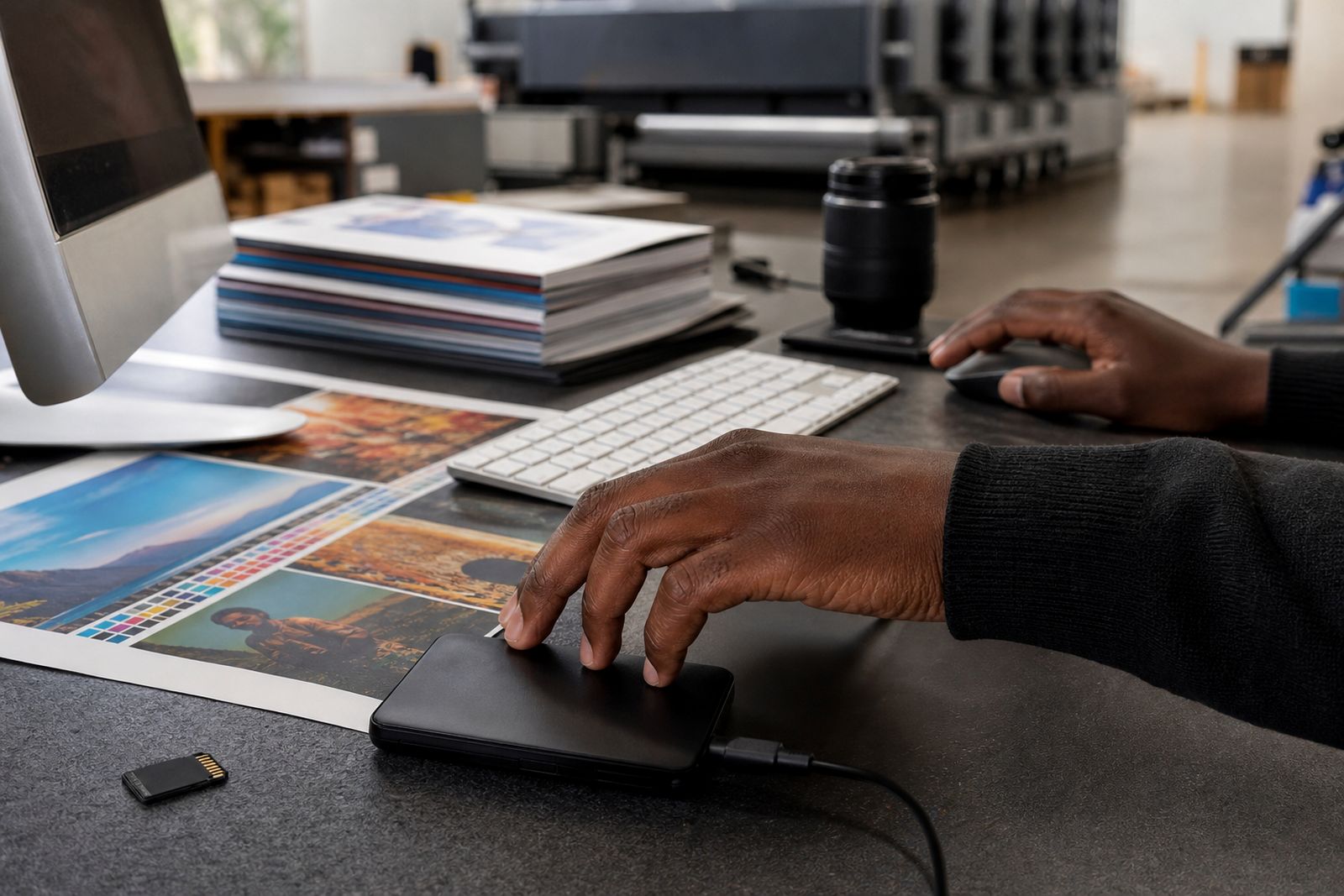
Good preparation saves time once the quote is approved. Supply artwork at final size with bleed where needed, and make sure linked images and fonts are included if requested. Multi page documents should be supplied in reading order unless a specific imposition file has been agreed in advance. If your job includes deep black backgrounds, fine reverses or critical brand colours, mention that in the brief so proofing can be planned correctly.
For Durban and coastal work, stock choice can matter more than people expect. Higher humidity can affect curl and drying times on some combinations of heavy ink coverage and coated stock, so it helps when we know if the job will be packed immediately, couriered inland, or stored before use. During power cuts, lead times on urgent jobs can tighten a bit, so allow room where possible.
- PDF files are preferred for most final artwork
- Add bleed where trims run through colour or images
- Check page count carefully on stitched and bound work
- Flag any barcode, legal text or fine rule areas that must stay sharp
- Tell us if colour matching is critical across reprints or related items
Aftercare And Next Steps
Once your quote has been accepted, the job moves into file checking, proofing and production planning. If anything in the supplied files differs from the quoted brief, we will confirm the change before print proceeds. This is important for items such as revised page counts, paper substitutions or added finishing steps.
After delivery, repeat work can be quoted faster because the base specifications are already known. If you produce regular brochures, monthly leaflets or recurring corporate packs, ask for the quantities and versioning to be structured clearly in the first brief. That makes reorders easier and reduces back and forth later.
Use the contact page form to request your quote. If you are still deciding between litho and digital, or between two binding styles, include both options and we will price them in a practical way.
What our Commercial Printing customers say
Verified Google reviews
Questions we get asked
Can I ask for more than one quantity on the same job?
Yes. If you want to compare costs for different run lengths, include each quantity in the brief. This is useful when deciding between digital and litho printing.
Do I need final artwork before requesting a quote?
Not always. A clear brief with size, quantity, pages and finishing is often enough for initial pricing. Final files are usually needed before production and proofing.
Can you quote finishing without printing?
If the work is suitable and the specifications are clear, finishing only can be discussed. Include the sheet size, stock, fold pattern or binding method, and quantity.
Ask for a quote
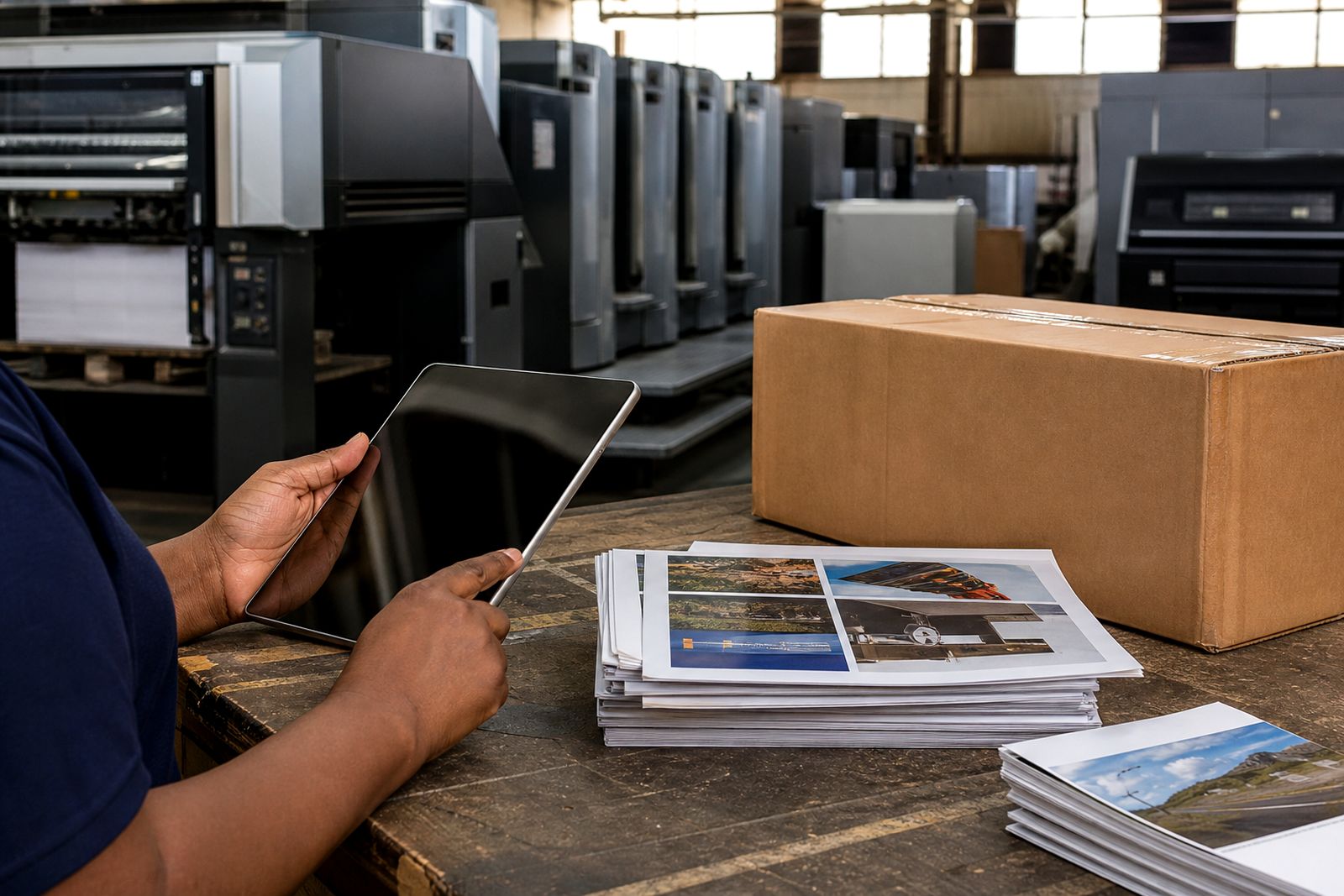
Send a note through the contact form with your print job, quantity, size, finish and delivery area, and the team will reply with a quote.
Open the contact form