

Magazines
We print magazines for publishers, associations and branded periodicals that need consistent colour and clean finishing. From regular issues to one-off editions, we handle medium-run litho work with practical guidance on format, paper, proofs and binding.
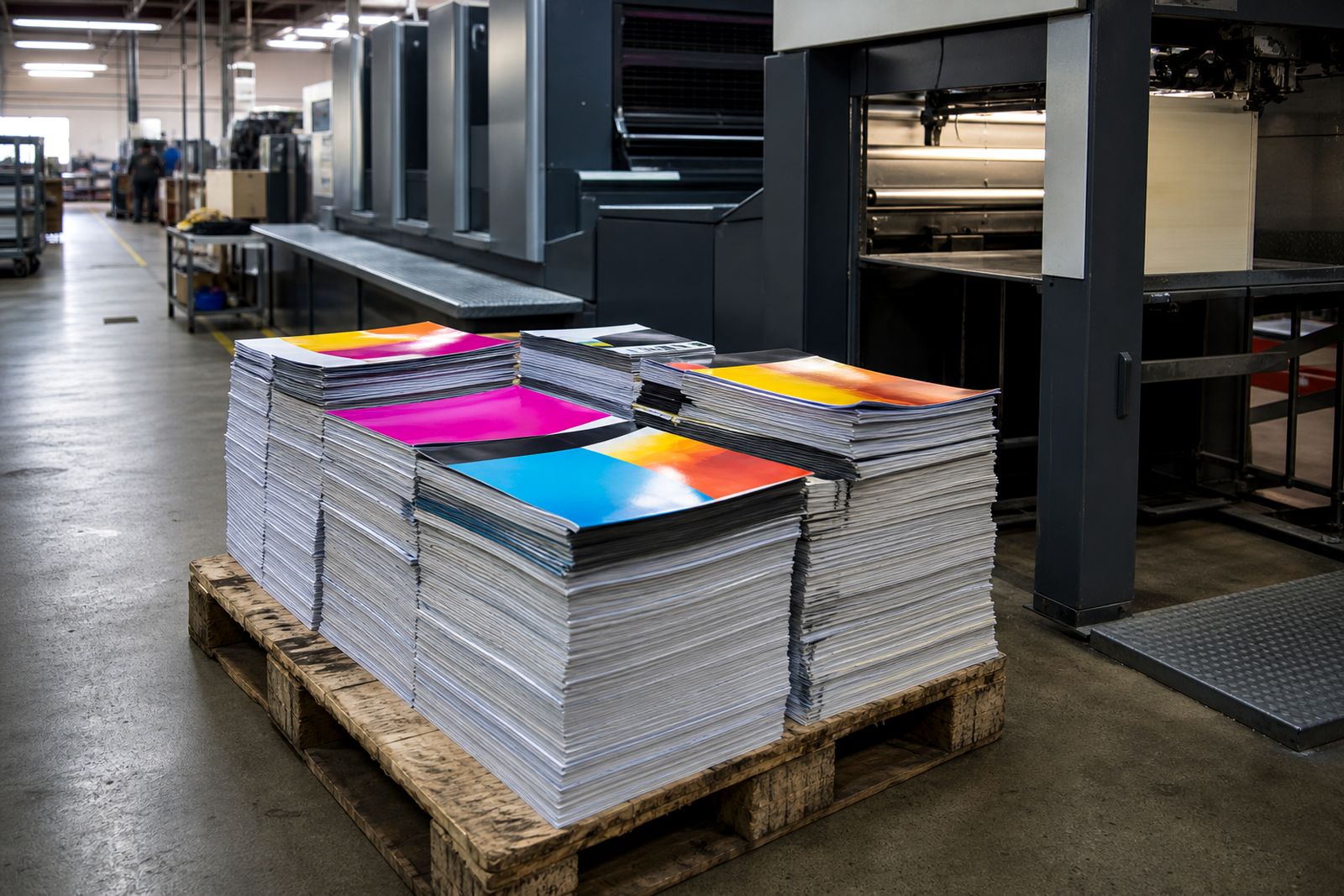
Magazine printing for regular titles and special editions
Magazine work suits sheetfed litho when you need a polished result across a medium run, with pages that match well from the first section to the last. It is a good fit for association journals, internal company magazines, catalogued periodicals, lifestyle titles, education publications and branded content pieces where photographs, charts and solid colour all need to reproduce clearly.
Because magazines combine text pages, image-heavy spreads, covers and finishing in one job, planning matters. We help you match page count, paper choice and binding method to the purpose of the title, whether it is posted to members, handed out by a sales team or stacked at reception counters in Durban, Umhlanga, Pinetown or Pietermaritzburg.
- Suitable for recurring issues and scheduled editions.
- Works well for corporate, association and retail-style content.
- Best where colour consistency and neat trimming are important.
- Can include inserts, reply forms and cover upgrades where required.
Sizes, pagination and practical format limits
Most magazines are supplied at A4 finished size, but A5 and custom trimmed sizes can also work depending on the layout and mailing method. Portrait formats are the most common, although landscape formats are possible for product-led titles and visual portfolios. Final size should be confirmed before artwork is built so margins, images and folios sit correctly after folding and trimming.
Page count affects both production method and binding. Saddle-stitched magazines generally need pagination in multiples of four. Perfect bound books usually start at a higher page count and need a spine width that can be calculated from paper bulk and total pages. Very low page counts may suit digital printing better, while very heavy books can become awkward to open flat if the format and paper are not chosen carefully.
- Common finished sizes: A4, A5, and selected custom sizes.
- Pagination normally in multiples of 4 pages.
- Bleed artwork should allow at least 3 mm beyond trim.
- Quiet margins should be generous near the spine, especially on perfect bound work.
- Covers can be printed on heavier stock than text pages.
Paper, colour and binding choices
Paper choice changes the look and feel of a magazine more than many buyers expect. Gloss and silk coated stocks help photographs and bright product shots reproduce with stronger contrast, while uncoated papers give a softer reading feel and are often preferred for editorial titles with long-form text. Covers are commonly specified on a heavier stock to improve durability during handling and distribution.
For colour pages, we work from supplied print-ready files and proofs so imagery, tints and black text reproduce in a controlled way. If your title includes large dark areas, gradients or fine reversed text, it is best to flag that early. We can then advise on practical adjustments before the job goes to press. Small typographic details matter and they save trouble later.
- Saddle stitching suits slimmer magazines and event guides.
- Perfect binding suits thicker editions with a square spine.
- Matt or gloss cover finishes can improve handling and shelf appearance.
- Section sewing may be considered for heavier, more durable publications on request.
Where magazines suit well, and where they do not
Litho magazines suit medium runs where unit consistency matters and the same issue must look right across the full batch. They are a strong choice for association membership titles, franchise communication, school or tertiary publications, property and tourism material, and house magazines for businesses with regular content cycles across KwaZulu-Natal.
They are less suitable where each copy needs different personalisation, where the quantity is very low, or where turnaround is needed in a very short window for only a handful of copies. In those cases, digital printing may be more practical. Magazines with frequent last-minute page swaps can still be produced, but clear sign-off points are needed so proofing, imposition and bindery are not disrupted.
For coastal distribution around Durban, cover finish and packing should also be considered. Humid conditions can affect how some stocks feel in storage if cartons are left open too long, so delivery timing and storage conditions are worth planning properly.
Proofing, delivery and on-site handling
Magazine jobs benefit from proper proofing before press. That usually includes checking page order, adverts, running heads, folios, image resolution and trim safety. Where colour-critical pages are involved, you should identify the pages that matter most so they receive extra attention during approval. If your publication contains maps, fine rules or long tables, mention that early too.
There is no site installation as such, but there are practical handling requirements once the job reaches your premises. Cartons should be stored off the floor in a dry room away from direct heat and moisture. Leave wrapped bundles closed until they have settled to room conditions, especially in coastal weather. This helps covers stay flat and reduces the chance of scuffing during internal distribution.
- Confirm proof approval responsibility before production starts.
- Arrange receiving space for cartons and pallets if the run is large.
- Keep finished magazines in a cool, dry indoor area.
- Plan mailroom, handout or branch distribution before delivery day.
What to send with your enquiry
A clear brief speeds everything up and helps avoid changes once pages are imposed. If you are asking for a quote through the website form, include the finished size, estimated quantity, page count, paper preferences, cover specification, binding style and required delivery town. Let us know whether the title is a once-off job or part of a regular publishing cycle, and whether you already have press-ready PDF files.
It also helps to mention if the magazine includes gatefolds, inserts, perforated forms, mailing labels, spot varnish-style effects or unusual fold-outs. If you are still deciding between formats, we can point out the trade-offs in weight, postage practicality and reading feel. A thorough brief at the start usually means a smoother job later, thats especially true when several stakeholders must sign off.
- Finished size and orientation.
- Total pages plus cover details.
- Quantity required.
- Paper choice for text and cover, if known.
- Binding method and any finishing extras.
- Delivery area in Durban or elsewhere in KwaZulu-Natal.
- Artwork status, proof needs and target timing.
What our Commercial Printing customers say
Verified Google reviews
Questions we get asked
What page count works best for a saddle-stitched magazine?
Saddle stitching is usually best for slimmer magazines and guides. The exact limit depends on paper bulk, final size and postal needs, so send your page count and stock preference through the enquiry form for guidance.
Can you print a heavier cover with lighter inside pages?
Yes. That is a common specification for magazines because it improves handling and gives the publication a cleaner finished feel. Include both cover and text stock preferences if you already know them.
Is litho the right choice for a short print run?
Not always. For very low quantities or urgent small batches, digital printing may be the better route. Litho usually makes more sense where consistency across a medium run is the main requirement.
Also worth a look
Ask for a quote
Send a note through the contact form with your print job, quantity, size, finish and delivery area, and the team will reply with a quote.
Open the contact form