

Planning a print schedule
Most print delays start before the job reaches the press. Late artwork, slow proof approval or a forgotten finishing step can push a delivery past an event or launch date. A simple schedule worked backwards from the day the print is needed keeps every step in view.

Start from the date print is needed
Write down the day the printed items must be in hand, at the venue, store or office. Then work backwards through each step. That date is fixed, so every other step has to fit in front of it.
Be honest about the date. If brochures are needed for a conference on a Thursday, they should arrive before that week, so there is room to unpack, check and move them to the venue.
The steps to allow for
Every print job passes through the same broad stages. The time each one takes depends on the job, but leaving any of them out of the plan is where problems start.
- Final content and sign-off on text, images and figures
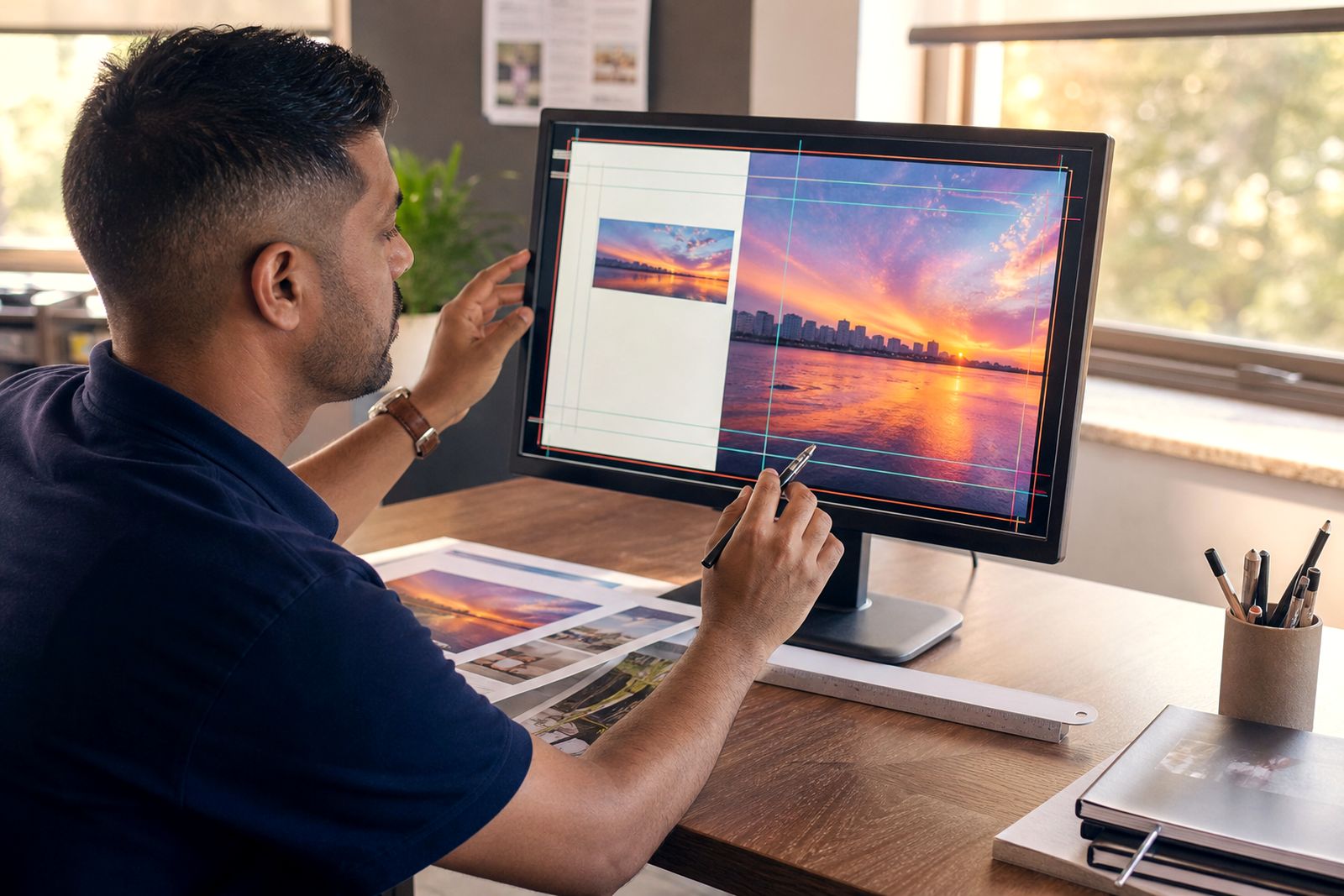
- Design and layout, including any internal approvals
- File check and preflight before proofing
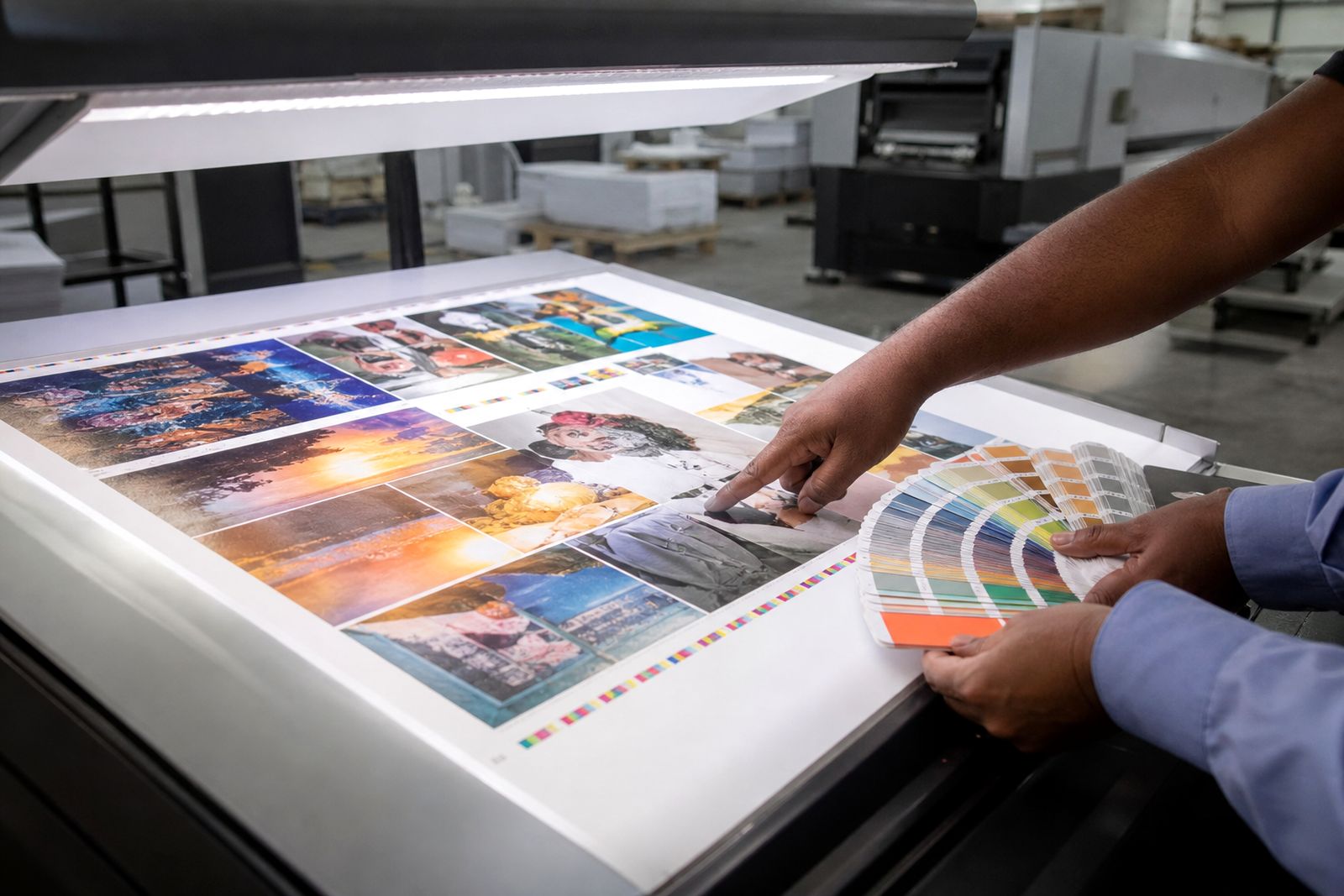
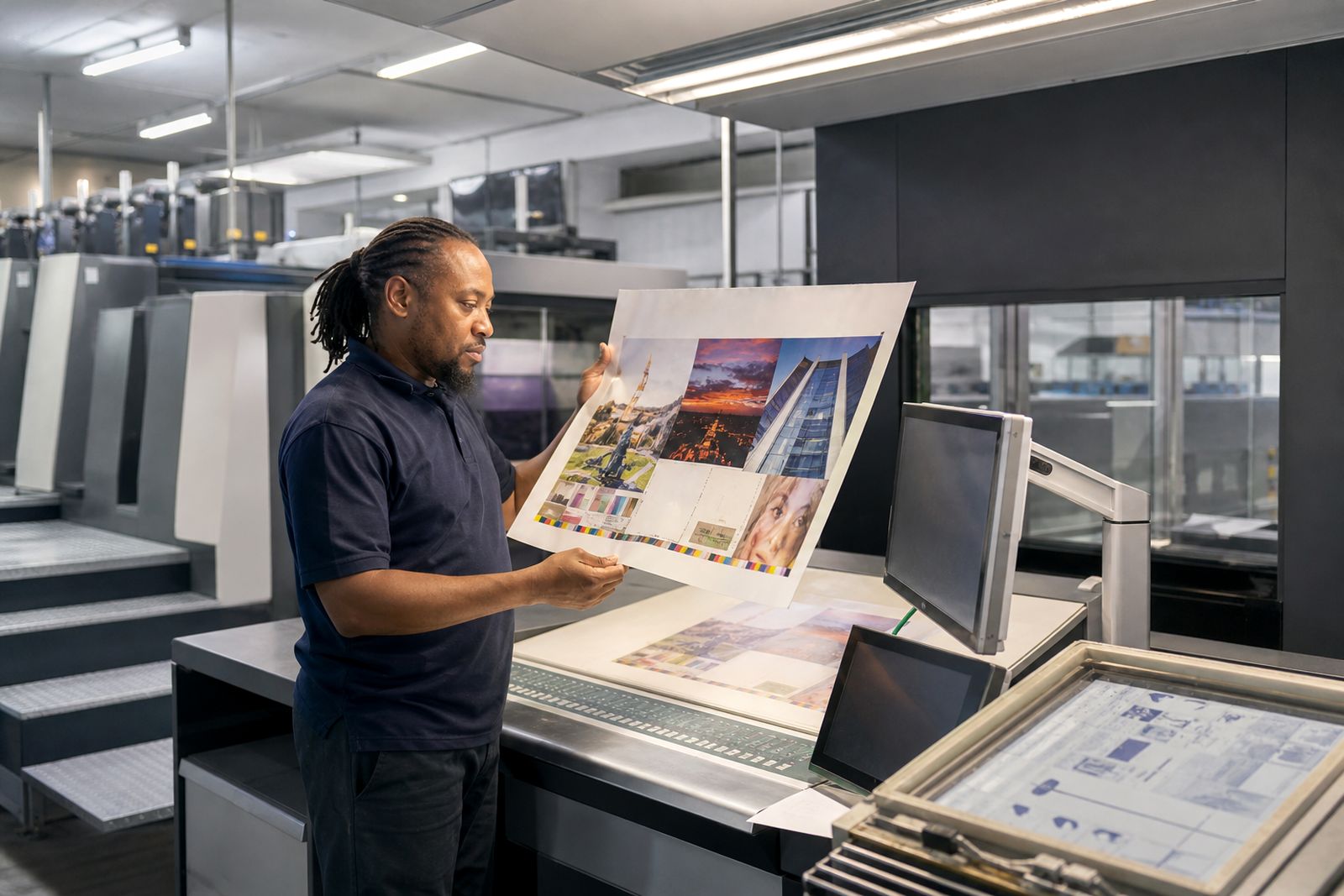
- Proof review, corrections and final approval
- Printing, drying and finishing such as folding, binding or laminating
- Packing and delivery to the final address
Where schedules usually slip
The most common hold-ups are on the client side, and they are easy to plan for. Content arrives late because one department has not signed off. Images arrive at low resolution and need replacing. Proofs wait several days for approval because the person who signs off is travelling.
Name one person who approves proofs and agree when they will be available. Gather logos, images and final figures before design begins. If board or legal approval is needed, put those dates in the schedule as separate steps.
Allowing for finishing and delivery
Finishing is often forgotten in early plans. Laminated covers, perfect binding, scoring and folding all add steps after printing. Some finishes also need the printed sheets to settle before they are handled.
Delivery should include time for courier collection and travel to the final address, especially for regional destinations. In Durban, summer storms, load shedding and municipal disruptions can affect production and courier schedules, so keep a little spare time near the end.
A simple example
Say a company needs 500 brochures in hand for a trade event on a fixed date. Working back, the plan might set aside the last few days for delivery and unpacking, the days before that for printing and folding, and the days before that for proof review and corrections.
Design and content come before all of that, with time for internal approval. Written out on one page, the schedule shows the latest day for each step. If content sign-off slips, the plan shows straight away how much time is left for the remaining steps.
- Event date and delivery to the venue
- Printing, folding and packing
- Proof review and corrections
- Design, content and internal approval
Keeping the schedule on track
Share the schedule with everyone involved, from content owners to the person who signs proofs. A short weekly check on progress shows early when a step is running late, while there is still time to adjust.
When you send an enquiry, include the date the print must be in hand and any fixed event or launch dates. We can then confirm whether the plan is realistic and flag any steps that need more room.
What our commercial printing customers say
Verified Google reviews
Questions we get asked
What causes most print delays?
Late content, low resolution images and slow proof approval cause most delays. Gathering material early and naming one person to approve proofs avoids the majority of them.
Should finishing be planned separately?
Yes. Laminating, binding, scoring and folding all happen after printing, so they need their own place in the schedule.
What date should I give in my enquiry?
Give the date the printed items must be in hand at the final address, plus any fixed event or launch dates behind it.
Can a schedule be shortened if a date moves forward?
Sometimes. Digital printing, simpler finishing or a smaller first batch can save time. Tell us the new date and we can suggest which steps can change.
Also worth a look
Ask for a quote
Send a note through the contact form with your print job, quantity, size, finish and delivery area, and the team will reply with a quote.
Open the contact form